Crafting a Premium Puzzle Book Design
In the vast world of creative assets and digital products, a well-designed interior isn't just about aesthetics; it's the cornerstone of user engagement and perceived value. When exploring resources like the Crosswords Puzzle Book Interior for KDP, the focus from a professional design perspective shifts to how these elements function as a complete visual communication system.
The Role of Design in Functional Content
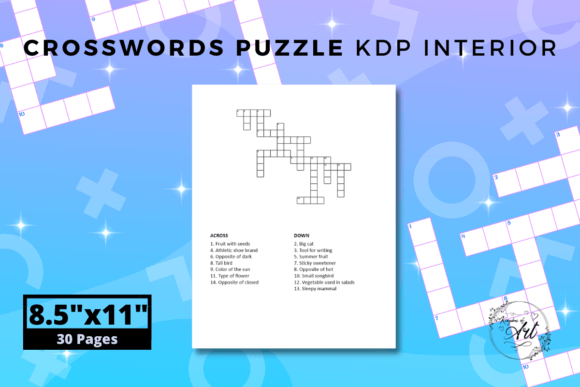
For creators and business owners on platforms like Kindle Direct Publishing (KDP), the interior design of a product like a puzzle book is its primary interface. It’s where editorial design meets user experience. A 30-page interior packed with 15 challenging puzzles isn’t merely a collection of grids and clues; it’s a carefully structured environment that guides the reader from challenge to solution, fostering a sense of accomplishment.
Key considerations here include visual hierarchy and readability. The size of 8.5 x 11 inches offers a generous canvas, allowing for ample white space around puzzles—a critical element in print design that reduces cognitive load and enhances focus. The inclusion of corresponding solution pages requires thoughtful layout planning to ensure a seamless, intuitive flow for the user.
Building a Cohesive Visual Experience
The provided editable file is a powerful tool for customization, opening doors to aligning the book with a specific brand identity. This is where practical graphic design applications shine:
- Typography: Choosing clear, accessible fonts for clues and answers improves usability. A distinct typeface for titles can introduce a subtle brand signature.
- Layout Composition: Consistent alignment of puzzle grids, clue lists, and solution pages creates a professional presentation that feels trustworthy and polished.
- Color & Imagery: While this interior uses black ink on white paper for cost-effective printing, the editable nature allows for the introduction of a muted color palette in headers or borders to reinforce a theme or mood, elevating it beyond a standard template.
These elements directly impact the perceived quality of the final digital product. A messy, inconsistently formatted puzzle book can frustrate users, while a clean, logically designed one enhances the enjoyment of the activity itself.
Extending Design Principles to Broader Projects
The principles applied in crafting this puzzle book interior are transferable across countless creative projects. The emphasis on a clear design workflow—from a ready-to-upload PDF to an editable source file—mirrors best practices in logo design, packaging design, and web design.
For instance, the scalability of the 8.5 x 11 format makes it suitable for physical print or digital screen use, akin to designing adaptable social media graphics or marketing materials that must perform across different mediums. The focus on a "no bleed" specification ensures the design remains intact within its margins, a lesson crucial for any print design endeavor, from business cards to advertising campaigns.
Ultimately, whether the end product is a puzzle book, a presentation deck, or merchandise, the goal is the same: to use design to facilitate clear communication and a positive user experience. The provided crossword puzzle book interior serves as a practical case study in achieving that. By leveraging the editable components, a designer can infuse it with a specific modern aesthetic, tailor the difficulty progression through visual cues, or even integrate subtle graphical motifs that tell a broader story.
Thoughtful design choices in even the most seemingly straightforward content—like a puzzle solution page—signal care and professionalism. They transform a simple activity into a refined product, demonstrating that in today’s creative landscape, the quality of your visual design assets is inseparable from the value of your offering.