Sugar Skull Rose Vintage: A Creative Design for Multiple Projects
When a design possesses both strong thematic character and versatile aesthetic appeal, it becomes a powerful tool for creators. The Sugar Skull Rose Vintage KDP Book Cover graphic is precisely such a tool. This art piece, blending the iconic Mexican calavera with ornate floral elements and a vintage palette, transcends its initial book cover purpose. Its immediate interest lies in its rich symbolism and ready-made visual impact. The sugar skull motif, often associated with celebration and remembrance within Dia de Muertos traditions, paired with delicate roses, creates a compelling juxtaposition—a balance of boldness and beauty, life and artistry. This inherent narrative depth makes the graphic more than just decoration; it's a starting point for projects that aim to convey personality, heritage, or eclectic style.
Unlocking the Design's Potential Across Formats
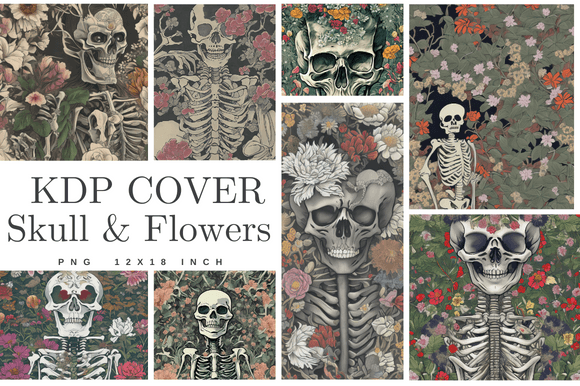
The technical specifications of the Sugar Skull Rose Vintage KDP Book Cover file—13 PNG files at 4000px by 6000px—are a practical foundation for its versatility. This high-resolution size, fitting a 12x18 inch area and scaling perfectly for a 6x9 inch cover, ensures quality across both large and small applications. For the creator, this means the graphic is a ready-to-use asset that requires minimal adjustment. The key to maximizing its value is to see it not as a single-use item but as a core visual element that can be adapted and contextualized.
From Digital Products to Physical Merchandise
Consider the straightforward applications: as a cover for journals, notebooks, or KDP books, it immediately sets a thematic tone. But the leap to physical merchandise is a natural one. The clear, detailed PNG files are ideal for print-on-demand (POD) services. Applying the design to a T-shirt transforms it into wearable art, likely appealing to audiences interested in cultural aesthetics or alternative fashion. On a mug or pillow, it becomes a distinctive home decor item. The size and resolution guarantee that the intricate line work of the skull and the subtle textures of the vintage rose remain crisp, whether on a fabric bag or a glossy phone case. Each product format changes the design’s context, but its core visual identity remains strong and recognizable.
Creative Interpretation and Audience Alignment
For designers and marketers, the real work begins with interpretation. How does one adapt this specific Sugar Skull Rose Vintage graphic for different audiences? A blogger focusing on craft tutorials might use it as a featured image for a post about cultural art projects, while an entrepreneur selling niche gifts might apply it to a line of greeting cards or gift tags for a clientele seeking unique, meaningful designs. The vintage aspect suggests a market that values retro or timeless style, whereas the sugar skull element can connect with communities celebrating Hispanic culture or individuals drawn to symbolic art.
Practical inspiration comes from asking simple adaptation questions. Could a section of the graphic—just the rose, or a detail of the skull's adornments—be isolated for a smaller product like a sticker or a badge? Could the color palette be digitally adjusted to better match a brand's existing colors while retaining the design's essence? For a publisher, using this as a book cover for a novel set in a specific cultural context or for a poetry collection on themes of memory and beauty would be a directly relevant application. The graphic serves as a prompt: it provides a complete scene, but creators can decide how much of that scene to use and how to frame it for their specific audience.
Maintaining Clarity and Cohesive Branding
When repurposing a detailed graphic across multiple products, consistency and clarity are vital. If you are a small business owner building a product line around this aesthetic, ensure the design is applied with uniform quality. Use the high-resolution file for all items to avoid blurry or pixelated prints. Furthermore, consider creating a simple style guide for how the graphic is used: perhaps it always appears centered, or with a specific minimal border. This creates a cohesive brand identity, making your collection of notebooks, posters, and apparel feel like a curated set rather than disparate items.
Originality doesn't always mean creating something from scratch; it can mean applying an existing asset in a novel, audience-friendly way. An educator might use the Sugar Skull Rose Vintage design on a presentation slide to introduce a unit on world festivals, making the lesson visually engaging. A freelancer could incorporate it into a website banner for a client in the arts sector. In each case, the design's effectiveness is tied to its appropriateness for the audience and the medium. Avoid over-application; its distinctive style means it will carry a strong visual message, so use it where that message aligns with your content's goals.
A Foundation for Inspired Project Development
The journey from seeing this as a "KDP book cover" to viewing it as a "multiproject design asset" is a shift in perspective that unlocks utility. Its usefulness stems from its completed artistry—you are not starting with a blank canvas but with a rich, evocative image. Your creative effort is then channeled into application, curation, and contextualization. This is a grounded, efficient approach for busy creators: leverage a high-quality visual to speed up project development while still delivering results that feel personalized and thematic.
Ultimately, the Sugar Skull Rose Vintage KDP Book Cover graphic is a testament to how a single design file can seed dozens of creative endeavors. By focusing on its adaptable strengths—the symbolic content, the vintage appeal, the technical readiness—you can generate ideas for products, marketing materials, and personal projects that require minimal technical tweaking but offer maximum visual impact. Let the design’s own character guide your initial ideas, then build outward to the formats and audiences that best suit your creative or commercial goals.