The Essential Tool for Organized Living: Your Cleaning Log Book
In the world of self-publishing, authors and creators are constantly seeking tools that streamline their process, allowing them to focus on content rather than complex formatting. One such tool, which serves a surprisingly broad audience, is a specialized Cleaning Log Book KDP Interior. While the subject matter might seem niche, the underlying product—a professionally designed, ready-to-use book interior—addresses a universal need for structure and documentation in our daily lives. This discussion will explore not just the log book itself, but the practical ecosystem of digital publishing assets that make creating such a book accessible to anyone.
Beyond the Sponge and Bucket: The Modern Need for Cleaning Management
Cleaning, whether for a home, a rental property, a small business, or even a community space, is rarely a one-time event. It is a recurring process, often involving multiple tasks, schedules, and personnel. For professionals like property managers, cleaning service owners, or facility supervisors, maintaining a consistent standard is critical for reputation and operations. For consumers and homeowners, a systematic approach can reduce stress, ensure thoroughness, and even help with allergy control or inventory management of supplies. A simple notebook might suffice, but a dedicated log book transforms ad-hoc notes into actionable data.
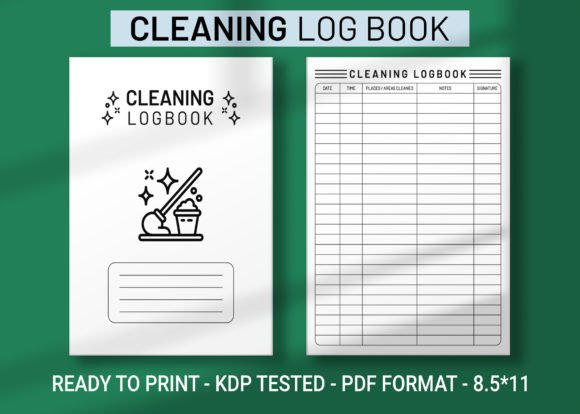
This is where a purpose-built interior comes into play. A Cleaning Log Book designed as a KDP interior provides structured pages for dates, tasks completed, areas cleaned, supplies used, and notes for future improvements. It turns the act of cleaning into a trackable, reviewable process. Educators might use it to teach organizational skills, hobbyists involved in meticulous crafts or restoration projects can adapt its principles, and researchers studying domestic routines could utilize it as a data collection framework. The application is far wider than initially apparent.
What Constitutes a Ready-to-Use KDP Interior?
When publishers look for a digital file to create their physical or digital books on platforms like Amazon Kindle Direct Publishing (KDP), they are often searching for more than just a blank template. They need a complete, tested package. A typical offering for a Cleaning Log Book includes several key digital files, each serving a distinct purpose in the publishing workflow.
- Editable AI File: This Adobe Illustrator file is the gold standard for designers and those who wish to make custom adjustments. It allows for the modification of every element—fonts, layouts, graphics—without losing quality, providing ultimate creative control.
- PDF Files for High-Resolution Print: The PDF is the universal format for printing. A high-resolution PDF ensures that every line, text, and graphic appears crisp and professional when the physical book is produced via Print on Demand services.
- PNG Files High-Resolution: These image files offer versatility. They can be useful for marketing materials, website previews, or even for incorporation into other digital projects, showing the interior's layout clearly.
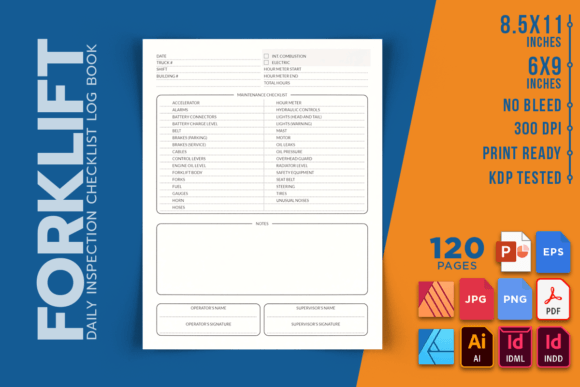
- Physical Specifications: A standard size like 8.5" x 11" inches is familiar and practical for a log book, offering ample space for writing. A total of 120 pages provides substantial capacity for long-term use.
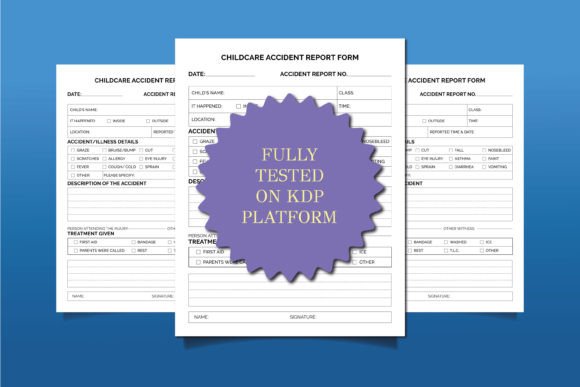
Crucially, such an interior is described as with bleed and KDP tested. "Bleed" refers to graphics or backgrounds that extend beyond the trim edge of the page, preventing unwanted white borders after cutting. Being "KDP tested" means the file has been validated against Amazon's upload requirements, drastically reducing the technical hurdles and rejection risks for the publisher. This combination means the product is truly READY TO UPLOAD, moving the publisher from idea to market much faster.
The Real-World Relevance for Diverse Publishers
The advantage of these digital files lies in their efficiency. For a business owner who operates a cleaning company, creating a branded cleaning log book for their teams or as a complementary product for clients can enhance professionalism. They don't need to hire a graphic designer or learn complex layout software; the editable AI file allows for quick branding insertion. An educator creating a life-skills workbook can use the same structure, perhaps adapting the "Cleaning Log" headings to "Classroom Maintenance Log" or "Project Tracking Log." The flexibility is inherent.
Consider a hobbyist who manages a large community garden or a vintage car collection. The systematic logging of maintenance—what was cleaned, when, with what products—mirrors the principles of a cleaning log. Using a pre-designed interior saves them countless hours of trying to format tables and pages in a word processor, often with subpar print results. The provided high-resolution PDF guarantees their self-published guide or log book looks polished.
Key Considerations When Utilizing Pre-Designed Interiors
While the benefits are significant, effective use requires some forethought. First, understanding your audience is paramount. The included intro page in the interior package should be tailored to explain the log book's purpose for your specific use case. A generic introduction about home cleaning won't resonate with commercial janitorial staff.
Second, even though the file is ready for KDP, publishers must still ensure their content fits the structure. The 120-page framework is fixed; planning how to fill those pages—whether with daily logs, monthly summaries, supply inventory sheets, or checklists—is essential before uploading. The editable AI file empowers changes, but the initial design of the Cleaning Log Book KDP Interior should align closely with your vision to minimize rework.
Finally, the print-on-demand model means you can offer both paperback and hardcover versions without any inventory risk. This allows for testing the market with a professional product at a very low upfront cost. The digital files are not just about creating one book; they are about enabling a scalable publishing endeavor.
From Digital File to Physical Utility: The Implementation Flow
The journey from downloading a digital interior package to holding a physical book in hand demonstrates the modern publishing landscape. A publisher, perhaps a professional organizer or a small business consultant, acquires the files. They open the AI file, change the title on the cover and intro page to "Professional Facility Cleaning Log," add their company logo, and adjust color schemes if desired. They then export a new PDF, ensuring bleed settings are preserved.
They log into Amazon KDP, upload this new PDF as the interior file, set their trim size to the specified 8.5" x 11", define the paperback cover options, and set pricing. Because the interior is already tested for KDP compatibility, the upload process is smooth. Within days, their customized cleaning log book is live for purchase, printed and shipped on-demand when a customer orders it. This entire workflow bypasses traditional publishing barriers, putting useful tools directly into the hands of those who need them.
Observations from the self-publishing community highlight that such niche interiors often perform well because they solve a concrete problem. A well-designed Cleaning Log Book isn't just a book; it's a productivity tool. Its existence in the market caters to the growing desire for systematization in both personal and professional spheres. The underlying KDP interior package is the engine that makes publishing this tool feasible for non-designers.
The Broader Implications for Content Creators
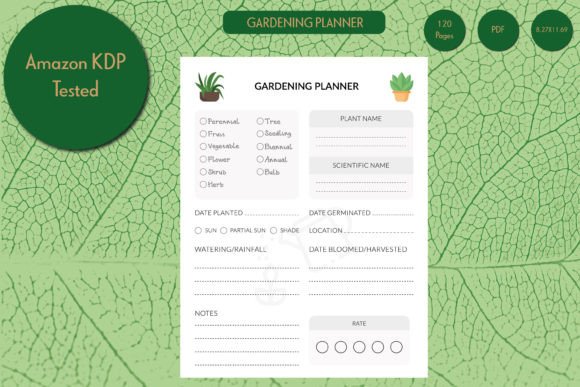
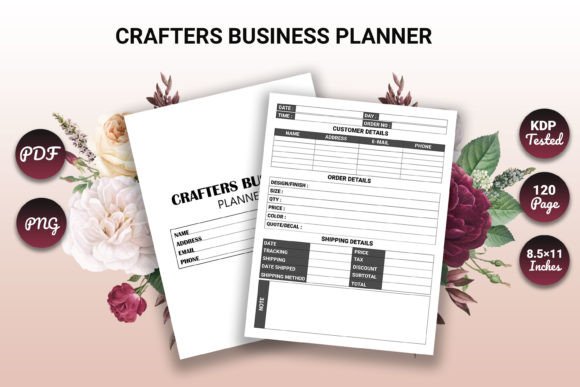
This model extends far beyond cleaning logs. The principle of a professionally designed, ready-to-upload KDP interior for specific use cases—be it garden planners, fitness trackers, business meeting notebooks, or hobby project journals—represents a significant trend. It democratizes publishing. Creators can focus on their domain expertise (like knowing what a comprehensive cleaning log requires) and leverage technical design expertise encapsulated in the digital file.
For the audience, which ranges from busy parents to corporate managers, the result is a higher quality, more functional product than they could typically find or create themselves. The SEO-friendly aspect of such articles lies in explaining this full value chain: the user need, the product solution, and the accessible publishing mechanism that brings it to life. Keywords naturally vary around "KDP interior," "print on demand files," "editable book template," and specific use cases like "cleaning schedule log" or "maintenance tracking journal," all without forced repetition.
In essence, a Cleaning Log Book KDP Interior is more than a template. It is a bridge between a common organizational need and the modern capability to produce a tailored, professional tool to meet that need. It highlights how digital assets, when designed with publishers in mind, can transform an idea into a tangible, useful object, empowering a wide spectrum of individuals and businesses to share their structured solutions with the world.