The Essential Guide to a Flourishing Garden: Why a Gardening Planner is Your Secret Weapon
Gardening, whether for vegetables, flowers, or simply creating a beautiful outdoor space, is a journey of growth—not just for your plants, but for you as the gardener. It blends science with art, patience with reward. Yet, many enthusiasts, from beginners to seasoned experts, often find themselves overwhelmed by the details: planting dates, seed varieties, weather patterns, harvest yields, and that ever-evolving garden layout. This is where the purpose and power of a dedicated gardening planner or garden journal comes into full bloom. More than just a notebook, it is a strategic tool, a memory bank, and a creative companion that transforms haphazard efforts into a coherent, successful, and deeply satisfying gardening experience.
From Seed to Harvest: The Core Purpose of a Garden Organizer
A gardening planner serves a fundamental purpose: it brings order to the natural chaos of cultivation. Think of it as the blueprint and logbook for your personal ecosystem. Its significance lies in moving gardening from a reactive hobby—where you simply respond to problems as they arise—to a proactive practice. By documenting your plans and observations, you build a valuable personal database. This record becomes incredibly practical, helping you avoid past mistakes, replicate successes, and understand the unique microclimate and soil conditions of your own plot. For the vegetable gardener, a vegetable gardening journal can be the difference between a mediocre yield and a bountiful harvest year after year.
The Anatomy of a Useful Gardening Planner: Key Features to Look For
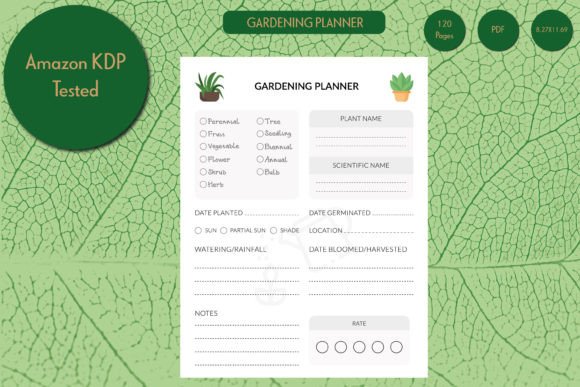
An effective garden organizer, like a comprehensive KDP gardening journal interior, typically includes sections that guide and track every phase of the process. Understanding these features helps you utilize the tool fully:
- Annual Planning Calendar: A visual layout for the entire year, marking key dates for sowing indoors, transplanting outdoors, estimated harvest periods, and seasonal tasks.
- Plant Profiles & Tracker: Dedicated space for each plant variety, noting seed source, planting depth, sun requirements, companion planting ideas, and growth milestones. This acts as your personal plant tracker.
- Garden Layout Diagrams: Blank grids or spaces to sketch your garden bed designs each season. This helps with rotation planning to prevent soil depletion and pest buildup.
- Weather & Soil Log: Pages to record rainfall, temperature extremes, and soil amendments (like compost or fertilizer applications). This data reveals patterns affecting your garden's health.
- Harvest Records: Simple tables to log what you picked, how much, and its quality. This is crucial for assessing the productivity of different varieties.
- Problem & Solution Notes: A place to jot down pest issues, diseases spotted, and the remedies you tried. This becomes your go-to reference for future troubleshooting.
- Inspiration & Wishlist: Space for sketching ideas, listing new plants to try next year, or noting garden projects. This keeps the creative spark alive.
Fitting Into Modern Life: The Digital and Printable Revolution
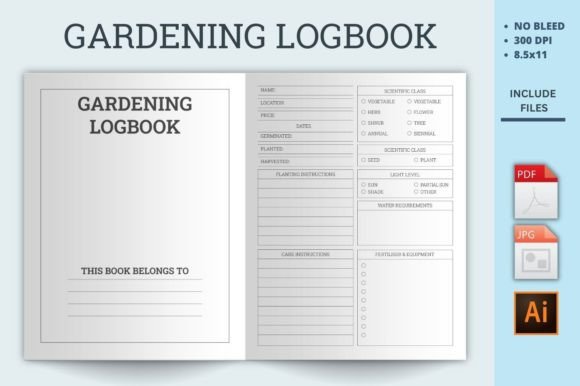
The concept of a garden journal is ancient, but its form has beautifully evolved to fit contemporary lifestyles. Today, many gardeners leverage digital tools for planning, yet the tactile, reflective act of writing in a physical gardening notebook holds enduring value. This is where the modern market for printable garden organizers and editable KDP interiors thrives. For the gardening enthusiast, a ready-to-print PDF offers instant access to a professionally designed structure without the cost of a pre-bound book. For entrepreneurs in the KDP publishing space, creating and selling these low content interiors like a gardening planner journal represents a viable stream of passive income. The template described—a print-ready, 8.5" x 11" PDF with 120 pages—is perfectly designed for this. It meets Amazon KDP's specifications (no bleed, correct size), ensuring it's ready to upload. The inclusion of source files (like AI and JPG) allows for customization, making it an editable KDP template for those who wish to tailor it further before selling.
Clarifying Common Misunderstandings: It's Not Just for Experts
A common assumption is that such detailed tracking is only for master gardeners or large-scale vegetable farmers. This is a misconception. A beginner benefits immensely from a planner because it reduces the anxiety of forgetting crucial steps. It provides a built-in learning framework. Conversely, an expert gardener might assume they don't need one because they "know" their garden. However, memory is fallible, and conditions change. A garden record book captures nuanced details—like which tomato variety performed best in a cool summer—that even experts can forget over time. Another misunderstanding is that a garden journal is only about facts and data. The best planners include space for reflection, sketches of blooming flowers, or notes on the garden's sensory experience—the smell after rain, the birds that visited. This holistic approach makes it a garden tracker journal for both the mind and the heart.
Practical Examples: How a Planner Transforms Your Gardening Season
Let's walk through a natural example to see the impact. Imagine you plant zucchini. In your planner, you note the seed brand and sowing date on the plant profile. Two weeks later, you sketch your garden layout, placing the zucchini in a sunny spot noted in the diagram. Over the season, you log in your weather section that July was unusually dry. In your problem log, you note squash beetles appeared and you applied neem oil on a specific date. Finally, your harvest record shows you collected 15 pounds from that plant. Next year, you review your planner. You remember the dry month, so you plan to irrigate more proactively. You see the effective beetle treatment date and can pre-emptively apply neem oil around that time. You also notice the zucchini shaded your lettuce, so in your new layout diagram, you place them differently. This cyclical learning, documented in your planting journal log book, creates compounding knowledge and success each season.
Beyond the Backyard: The Business of Garden Planning Tools
The relevance of garden planners extends into the world of small business and digital entrepreneurship. The demand for niche, functional printables has grown significantly. A well-designed garden journal interior is a perfect product for this market. It serves a specific audience with a clear need. For creators, using an editable KDP interior template allows them to quickly produce a professional product (high resolution, 300 dpi files ensure quality) and list it on platforms like Amazon. Keywords like garden tracker notebook, planting log book, and kdp interior are what potential customers search for. This intersection of gardening passion and practical business tool creation highlights how the concept fits into modern digital workflows and creative passive income strategies.
Building a Broader Understanding: The Garden Planner as a Holistic System
Ultimately, embracing a gardening planner is about adopting a system, not just buying a product. It represents a shift towards mindful, intentional gardening. It connects the dots between tracking, record keeping, and creative planning. It can be themed to your passion—a floral design for flower gardeners, a sunflower motif for those who love that particular bloom—making it a personal and inspiring object. It demystifies the process, whether you're tracking the progress of delicate flowers or the robust growth of vegetables. By providing structure through its sheets and sections, it frees you to enjoy the experience more deeply, reducing clutter and uncertainty. In a way, a gardening planner cultivates the gardener as much as the garden, leading to richer yields, fewer frustrations, and a more profound connection to the cycle of growth in your own patch of earth.