The Transformative Power of Structured Planning Tools
In the relentless flow of modern life, the simple act of writing down tasks on a scrap of paper often feels insufficient. The complexity of juggling professional deadlines, personal commitments, and long-term aspirations demands a more intentional approach to organization. This is where structured planning tools like weekly planners, daily planners, and to-do lists step in, transforming chaos into clarity. They are not merely notebooks; they are systems for thought, frameworks for action, and catalysts for productivity.
The Core Components of a Planning Ecosystem
Effective planning typically involves a hierarchy of tools, each serving a distinct purpose within a cohesive system. Understanding these components helps in selecting and utilizing the right instrument for the right task.
The Strategic Overview: The Weekly Planner
A weekly planner, often called a weekly organizer or a week in a look, provides the aerial view of your time. It is the canvas where you block out major commitments, recurring events, and primary goals for the seven-day cycle. This format allows you to balance workload across days, anticipate busy periods, and ensure that personal time is not overshadowed by professional demands. A minimalist weekly schedule strips away distractions, focusing only on essential appointments and top-priority projects. The value lies in preventing the overload of any single day and creating a realistic, balanced forecast of your upcoming week.
The Tactical Engine: The Daily Planner
Where the weekly planner sets the stage, the daily planner directs the action. This tool, sometimes formatted as a 24-hour daily planner printable, breaks the macro view into micro-steps. It is the space for detailing the specific tasks, meetings, and routines that will fill each day. A daily schedule might segment hours for focused work, administrative duties, learning, and rest. By translating weekly goals into daily actions, this planner ensures forward momentum and provides a clear finish line for each day's efforts.
The Action Checklist: The To-Do List
The to-do list is the most granular element, often integrated within both weekly and daily planners. It is the definitive list of actionable items, from "submit quarterly report" to "call electrician." A daily to-do list for work and personal life segregates or integrates these domains based on preference, ensuring nothing falls through the cracks. Its power is in its simplicity and immediacy; it converts intentions into concrete, check-offable steps.
The Integrated Workflow: From Vision to Execution
The real magic happens when these tools are used in concert. A typical workflow might begin on a Sunday evening with a weekly planner. You review the upcoming week, noting client meetings on Tuesday, a family event on Friday, and a goal to draft a project proposal by Thursday. This gives you the strategic layout.
Each morning, you then consult that weekly layout to populate your daily planner. For Tuesday, you see the client meeting and know you need preparatory work. In your daily planner, you block 9-11 AM for deep work on the presentation, 1-2 PM for the meeting itself, and 3-4 PM for follow-up actions. Within those blocks, you generate a specific to-do list: "Finalize slides," "Review contract points," "Send meeting recap email."
This cascade from broad vision (weekly) to structured day (daily) to specific actions (to-do list) creates a seamless bridge between planning and doing. It reduces the cognitive load of constantly deciding "what's next" and frees mental energy for actually performing tasks.
Specialized Variations for Specific Needs
The basic templates evolve to meet niche requirements. An office planner might emphasize project milestones, team deadlines, and communication logs. A productivity planner often incorporates sections for goal tracking, habit formation, and reflection prompts to not only plan tasks but also analyze effectiveness. These specialized tools address the unique challenges of different roles, from business owners managing multiple ventures to educators planning curricular cycles.
The Tangible Benefits Beyond Organization
The advantages of using these systems extend far beyond merely remembering appointments.
Reduced Stress and Enhanced Mental Clarity: The act of externalizing tasks from your mind onto paper or a digital template alleviates the anxiety of forgetting. A clear plan provides a sense of control, reducing the overwhelm of unstructured time.
Improved Focus and Prioritization: When your week and day are mapped, you can visually identify your most important tasks. This helps in combating the temptation of reactive, low-value work and steers your effort toward high-impact activities.
Goal Achievement and Progress Tracking: A weekly planner is ideal for setting mini-goals for the week, while daily planners ensure you take daily steps toward them. Over time, these tools become a log of your progress, offering motivation and tangible evidence of your advancement.
Balance and Boundary Setting: By scheduling both work and personal life in the same system, you create a visual balance. You can ensure you allocate time for exercise, hobbies, or family, preventing one domain from consuming all your hours.
Considerations for Choosing and Using Your Tools
With countless planner styles available, selection is key. A minimalist weekly schedule suits those who prefer a clean, uncluttered view. A more detailed productivity planner appeals to individuals focused on self-improvement and efficiency metrics. The format—physical notebook versus digital printable—is another fundamental choice. Many users find that the tactile act of writing enhances commitment and memory.
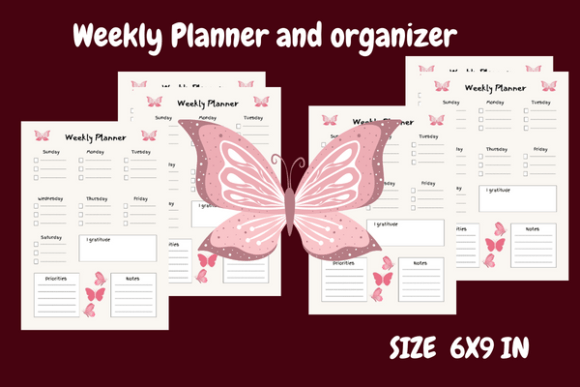
The rise of editable digital templates, like those created in Canva, offers a powerful middle ground. A Canva template, often delivered via a link in a PDF file, provides a beautiful, customizable starting point. You can adjust colors, fonts, and section layouts to match your personal taste and functional needs. This flexibility is particularly valuable for creators looking to design unique planners for platforms like Amazon KDP, where aesthetic appeal and functionality merge to create marketable products. A template featuring beautiful butterflies, for instance, adds a touch of inspiration and personal joy to the practical task of organization.
Implementation Advice: The most common pitfall is over-planning. Filling every minute slot can lead to rigidity and frustration. Effective planning leaves buffer time for the unexpected and for rest. Another tip is regular review. A weekly planner should be assessed at the week's end to refine the process for the next cycle. Finally, consistency matters. The system gains power through habitual use, becoming a trusted component of your daily routine.
The Role for a Broad Audience
The applicability of these tools spans virtually every walk of life. Professionals use them to manage projects and deadlines. Consumers organize household logistics and personal finances. Creators, such as writers or artists, plot out their creative sessions and publication timelines. Educators plan lessons and academic terms. Researchers outline experiments and paper-writing phases. Hobbyists schedule practice time and project milestones. Business owners orchestrate operations, marketing, and development. The universal need to allocate finite time to infinite tasks makes weekly planners, daily planners, and to-do lists relevant to all.
In essence, these planning tools are more than administrative aides. They are frameworks for intentional living. A weekly planner provides the landscape, a daily planner charts the path, and a to-do list marks each step. Together, they convert the abstract pressure of "being productive" into a concrete, manageable, and even peaceful process. Whether you choose a minimalist printable or a detailed, butterfly-adorned editable template, the commitment to structuring your time is a commitment to realizing your priorities, achieving your goals, and owning your days.