The Ultimate Tool for Organized Bloggers: A Deep Dive into the Blog Post Planner Template
For many creators, blogging starts with a burst of inspiration, followed by the chaotic scramble of notes, drafts, and half-formed ideas scattered across apps and notebooks. This messy process often leads to missed deadlines, inconsistent content, and, ultimately, a blog that fails to reach its potential. If you’ve ever felt that your content creation process is holding you back, the solution might be simpler than you think: a structured, physical blueprint for your ideas. This is where a dedicated Blog Post Planner Template becomes not just a tool, but a transformational system for your creative workflow.
What Exactly Is a Blog Post Planner Template?
At its core, a Blog Post Planner Template is a pre-designed framework that guides you through the entire lifecycle of a blog post. It’s more than a blank page; it’s a strategic map. Think of it as the architectural plans before building a house. Instead of winging it, you follow a proven sequence that covers ideation, research, structuring, writing, and publishing. A high-quality template prompts you to define your post’s goal, identify your target reader, brainstorm keywords, outline sections, and schedule tasks—all before you write the first sentence. This methodical approach turns a creative, often nebulous task into a clear, executable project.
The Anatomy of an Effective Blog Planner
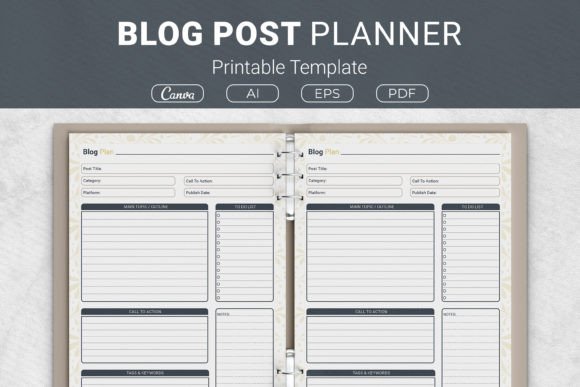
A well-crafted template breaks down the monumental task of “write a blog post” into manageable, actionable steps. Key sections you’ll typically find include:
- Post Ideation & Goal Setting: A space to clarify why you’re writing this piece. Is it to educate, entertain, or convert? Defining the purpose aligns your content with your broader blogging goals.
- Audience & Keyword Focus: Reminding you to research and note down who you’re writing for and what terms they might be searching for. This keeps your content reader-centric and SEO-aware from the start.
- Detailed Outline & Structure: This is the skeleton of your post. Here, you draft headings, subheadings, and bullet points for key arguments, ensuring a logical flow before you get lost in the writing.
- Resource & Link Log: A dedicated area to jot down sources, quotes, or internal links you want to include, preventing frantic last-minute searches.
- Task Checklist & Timeline: From drafting to editing, formatting, and publishing, this section helps you track progress and maintain accountability.
By externalizing these components onto a single sheet, the template reduces cognitive load. Your brain is freed from organizing and can focus purely on creating.
Why a Physical Template Trumps Digital Chaos
In a world dominated by digital apps, the value of a tangible, printable Blog Post Planner Template is significant. Physical planning engages different cognitive processes. Writing by hand can enhance memory and focus. It provides a tactile, uninterrupted space away from the distractions of browser tabs, notifications, and the infinite scroll of social media. For many, flipping through a binder of completed planner sheets offers a visual, satisfying record of their productivity and progress—something a folder of digital files often fails to deliver.
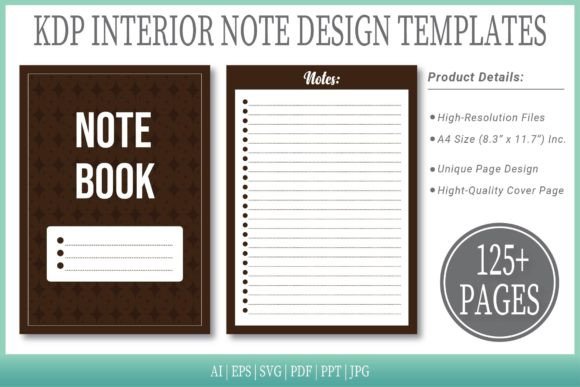
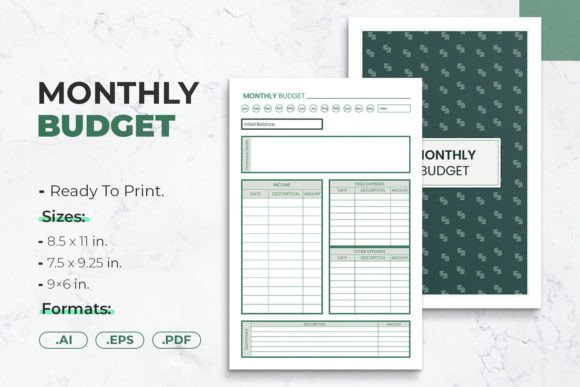
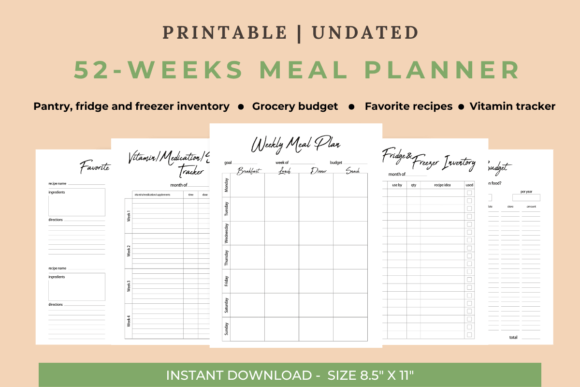
The versatility in sizing—including US Letter 8.5 x 11 in, A4 210 x 297 mm, compact 7.5 x 9.25 in, and 6×9 in formats—means you can choose a planner that fits your preferred binder or notebook perfectly, integrating seamlessly into your existing workspace.
Fitting Into Modern Blogging and Publishing Workflows
The utility of this template extends far beyond the hobbyist blogger. It fits elegantly into modern professional and entrepreneurial workflows.
For the content strategist or marketing professional, it serves as a standardized document for delegating posts to writers or freelancers, ensuring everyone follows the same quality and strategic process. For the solopreneur building a business through their blog, it’s a project management tool for their most important asset: content.
A particularly powerful application is in Kindle Direct Publishing (KDP) projects. The structured interior of the Blog Post Planner Template makes it an ideal candidate for a physical planner product sold on Amazon. Creators can use the provided AI, EPS, and PDF source files to customize and brand the template, then publish it as a niche productivity tool for the vast community of bloggers and writers. This bridges the gap between using a tool and creating one.
Practical Benefits: From Clarity to Consistency
Adopting a Blog Post Planner Template yields immediate and long-term benefits. First, it forces clarity. You cannot proceed to the outline if you haven’t defined your goal. This upfront thinking dramatically increases the impact of your final post.
Second, it builds consistency. Using the same template for every post creates a reliable rhythm in your work. Your readers will notice the improved, predictable quality, and your publishing schedule will become more stable.
Third, it enhances efficiency. By batch-planning several posts using multiple template sheets, you can move through the writing phase much faster, as the hard thinking is already done. It turns content creation from a reactive, stressful activity into a proactive, smooth operation.
Key Considerations Before Choosing Your Template
Not all templates are created equal. When selecting or using a Blog Post Planner Template, consider these factors:
- Flexibility vs. Guidance: Does the template have rigid sections or allow for some adaptation? The best templates offer a strong framework but leave room for your unique process.
- Format Accessibility: The inclusion of PDF files ready to print and Canva templates accessible through provided links is crucial. PDFs offer instant home-printing, while Canva links allow for easy digital customization if you prefer to tweak colors or add your logo before printing.
- Your Personal Work Style: Are you a meticulous planner or a big-idea thinker? Choose a template that complements your style—perhaps one with more space for brainstorming if you’re creative, or more detailed task checklists if you’re execution-focused.
Remember, the goal is to serve your process, not constrain it. The provided open-source AI and EPS files empower tech-savvy users to modify the template fundamentally, making it a truly personalized tool.
Implementing the Template in Your Routine
To get started, print a few copies of the template in your chosen size. Keep them in a binder or folder dedicated to blog planning. Treat each new post idea as a project. Sit down with the template, a pen, and your research materials. Fill out each section sequentially, resisting the urge to jump straight to the outline. Allow the template to guide your thinking.
Over time, you might find that using the Blog Post Planner Template not only improves your blog but also changes your relationship with content creation. It shifts the mindset from “I need to write something” to “I am building something valuable, step by step.” This systematic, organized approach is what separates an occasional blogger from a serious content creator. By externalizing the plan, you internalize the discipline, ultimately taking your blog—and your goals—to the next level.