Your Complete Guide to Using a Book Reading Tracker
For dedicated readers, the act of reading is often a deep personal engagement, yet tracking that journey can be surprisingly complex. A Book Reading Tracker is not merely a list; it's a dedicated tool designed to systematize your literary engagement. It fits into the broader process of personal knowledge management, habit formation, and goal achievement. By providing a structured space outside the book itself, it transforms reading from a passive activity into an active, documented project. For professionals, creators, and anyone committed to continuous learning, this tool serves as a central hub for literary intake, enabling you to move from simply consuming text to integrating its value into your work and life.
Integrating a Tracker into Your Reading Workflow
The utility of a Book Reading Tracker manifests across three distinct phases: before you start a book, while you are reading it, and after you have finished. This process-oriented approach ensures the tool enhances every stage of your engagement.
Preparation and Selection: The Pre-Reading Phase
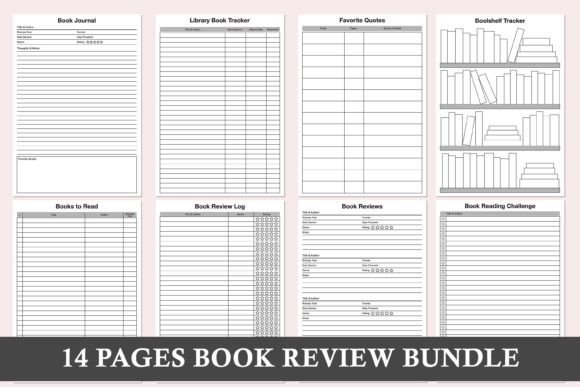
Before you even open a book, the tracker can function as a powerful planning asset. Use it to log books you intend to read, creating a curated "To-Read" list that acts against impulse purchases or chaotic choices. This pre-reading workflow encourages intentionality. You can note why you selected a book—perhaps it's recommended for a career skill, research for a blog post, or simply for pleasure. This preliminary step interacts directly with other resources like online reviews, colleague recommendations, or course syllabi, turning scattered intentions into a committed reading plan. For entrepreneurs and marketers, this phase aligns reading with business objectives, ensuring your reading time contributes directly to professional development.
Active Engagement: Tracking During Reading
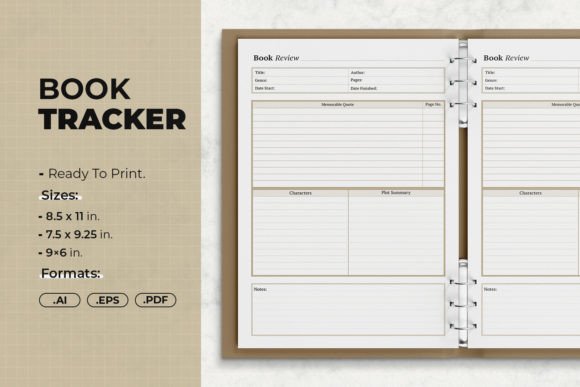
The core function occurs during the reading process itself. Here, the Book Reading Tracker interacts with your daily routine as a companion tool. A well-designed tracker provides spaces for logging dates, page progress, and key takeaways. This ongoing documentation promotes consistency and prevents the common scenario of forgetting a book's details weeks later. For educators and freelancers, jotting down notes, quotes, or questions directly into the tracker alongside progress metrics creates a rich, integrated reference. This practice turns reading into an active dialogue with the text, improving comprehension and retention. The minimalist, functional layout of a good tracker ensures this logging is quick and non-intrusive, preserving the joy of reading while capturing its essence.
Post-Reading Analysis and Long-Term Integration
The final stage, after completing a book, is where the tracker delivers its greatest long-term value. This is the phase of synthesis and application. Use the tracker to write a brief summary, record your final rating, and note actionable ideas. This creates a permanent, personal archive of your reading history. For bloggers and content creators, this archive becomes a source material repository for future articles or social media posts. For the productivity-minded, reviewing completed tracker pages provides a visual record of achievement and learning velocity, which can be motivating and informative for setting future goals. The interaction here is with your own past insights and future projects, bridging the gap between learning and execution.
Practical Implementation and Workflow Examples
To integrate a Book Reading Tracker smoothly, consider your primary reading contexts. A practical implementation tip is to assign different trackers or sections for different purposes. For example, a business owner might maintain one tracker exclusively for professional development books, logging concepts applicable to their workflow, while using another for leisure reading. This separation aids organization and makes retrieval more efficient.
Consider a typical workflow: An educator preparing a new course module selects three relevant books from their tracker's "To-Read" list. As they read, they use the tracker's note columns to capture pedagogical ideas and potential discussion questions. Upon finishing, they summarize each book's core argument in the tracker. Finally, they revisit these summaries when crafting the actual course syllabus, having a distilled, personal reference at hand. The tracker has facilitated the entire process from selection to application, ensuring quality control and efficient use of time.
Another example involves a hobbyist participating in a book club. The tracker becomes their central document for each club book. They track their reading pace to stay on schedule, jot down thoughts for discussion, and record the group's insights post-meeting. This creates a comprehensive record of the social reading experience, enhancing both personal reflection and group participation.
Optimizing for Physical Use and Production
The physical design and production specs of a tracker are crucial for real-world usability. A template designed with 8.5 x 11 in, 7.5 x 9.25 in, and 6×9 in sizing details offers compatibility with common binder sizes and personal printer capabilities. The inclusion of a safe margin for hole punching is a critical feature for those who prefer binder organization, allowing for secure binding without losing text. This attention to physical utility ensures the tool integrates seamlessly into your existing organizational systems, whether on a shelf, in a desk binder, or in a bag.
For those in the low-content book business, the availability of editable source files, AI Illustrator files, and high-quality 300 DPI print PDF files with bleed is not just a feature list; it's a production toolkit. These assets enable seamless customization and professional-grade output. The PDF file 100 tested ready for KDP uploading ensures a smooth path to marketplace distribution, while the permission for unlimited prints allows for personal use or small-batch sales without recurring costs. This combination of features supports both the end-user's reading process and the creator's business workflow.
Ensuring Long-Term Usability and Consistency
A Book Reading Tracker's value compounds over time. To support long-term use, consistency in entry is key. Establish a simple ritual: perhaps updating the tracker immediately after each reading session, or during a weekly review. The minimalist design of a functional layout reduces friction, making this consistency easier to maintain. Over years, this consistent practice builds a personalized library of your intellectual journey, far more nuanced than a digital algorithm's "read" list. It becomes a tangible asset for reflection, planning future reading, and recalling knowledge when needed for a project, decision, or creative endeavor.
Ultimately, a Book Reading Tracker is a bridge between the immersive world of books and the structured world of personal productivity. By providing a designated space for logging, reflection, and planning, it empowers readers—from professionals to hobbyists—to own their reading journey completely, transforming pages read into progress made and insights retained.