Kite: A Lighthearted Font for Playful Projects
Kite is a display font with a distinctly playful personality. Its letterforms are crafted with a sense of motion and whimsy, often resembling characters that are buoyant and free-flowing. The strokes can feel spontaneous, with variations in weight and curvature that suggest a handmade quality without being overly casual. This gives Kite an overall appeal that is friendly, approachable, and energetic, making it a fantastic choice for projects that need to convey joy, creativity, or a light touch.
While it falls broadly into the category of modern typography, Kite isn’t a rigid, geometric sans serif or a formal serif. It occupies a space closer to creative fonts that prioritize personality over austere clarity. It’s a typeface that speaks before the reader even processes the words, setting a tone that is optimistic and engaging.
Where Kite Soars in Your Creative Work
Kite’s strengths lie in applications where its character can be the star of the show. It excels as a primary logo font for brands in industries like children’s products, creative arts, cafes, lifestyle blogs, or eco-friendly goods. The font’s inherent cheerfulness can instantly make a brand feel more welcoming.
In editorial design, Kite makes a powerful headline font for magazine articles, blog posts, or book titles where the subject matter is uplifting, inspirational, or DIY-focused. It can define the visual hierarchy of a page, drawing the eye immediately with its distinctive shapes. For packaging design, especially for products aimed at families or hobbyists, Kite can add that crucial touch of handmade charm that stands out on a shelf.
In the digital space, Kite is a superb choice for key graphics. Use it for prominent titles in web design, for eye-catching quotes in social media graphics, or as the defining typography in email campaign headers. Its personality ensures high audience engagement in a crowded visual landscape. For personal projects, it’s perfect for crafting unique invitations, custom signage for events, or personalized gifts.
The Practical Impact of Choosing Kite
Selecting a font like Kite goes beyond aesthetics; it influences how your project functions and is perceived. Its readability is high in display sizes—perfect for headlines, logos, and short phrases—but it may not be suitable for long blocks of body text due to its decorative details. This is a common consideration with display fonts: they command attention but aren’t meant for extended reading.
In terms of brand perception, Kite can steer a brand towards values like creativity, fun, and accessibility. It fosters consistency across materials because its strong visual identity becomes a recognizable thread. For a small business owner or blogger, using a distinctive font like this can build a more professional and cohesive brand identity than using a dozen generic fonts. It signals intentionality.
Pairing Kite with Other Typefaces
To build a complete typographic system, Kite needs a supporting cast. The best font pairings for it are simple, neutral typefaces that provide a stable foundation. A clean, versatile sans serif font is often the ideal partner. This pairing creates a clear visual hierarchy: Kite grabs attention for the main message, while the sans serif handles all the explanatory body text, descriptions, and details with effortless readability.
Avoid pairing Kite with another highly decorative script or handwritten font, as this can create visual competition and clutter. The goal is contrast. Let Kite be the personality, and choose a partner that is purely functional.
Working with the Kite PNG File
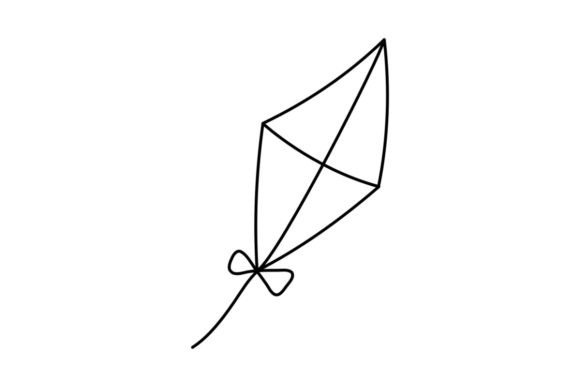
Beyond the digital font files, you also receive a versatile Kite PNG file with a transparent background. This is a powerful design asset. At 300 dpi and 8.5” by 8.5”, it’s a high-resolution, drag-and-drop graphic ready for immediate use. The transparency means you can place it over any color or pattern without a white box interfering.
Think of this file as a shortcut for product creation. It’s perfect for applying directly to mock-ups for t-shirts, mugs, or phone cases. For crafters and hobbyists, it can be the basis for creating custom coloring pages for kids, or for use in scrapbooking and digital collage. Entrepreneurs can use it to quickly prototype branded merchandise without needing complex vector software. It’s a practical, time-saving component of the overall package.
Evaluating Fit and Licensing for Your Project
Before committing to Kite for a project, ask a few practical questions. Does the tone of the font match the tone of your message? Is your primary need for a display element (headlines, logos) rather than body text? Test it in a mock-up. Place your intended words in Kite and see if the specific letter combinations look balanced and legible at your desired size.
Also, review the included styles. Many commercial fonts come with multiple weights (like light, regular, bold). Understanding what’s in the kit allows you to plan for contrast and emphasis within your designs using the font family itself.
Finally, confirm the licensing. As a downloadable digital product, Kite is typically offered with a commercial license, allowing you to use it in projects you sell, such as client logos, published books, or merchandise. This makes it a valuable investment for professionals. Always verify the specific license terms to ensure it covers your intended use, especially for broad distribution like product packaging or web fonts.
In essence, Kite is more than just letters; it’s a tool for setting a mood. Its lighthearted design can transform a simple message into an engaging visual experience. Whether you’re finalizing a brand identity, designing a poster, or creating a product, Kite offers a blend of personality and practicality that helps your work not just communicate, but connect.